We provide daily dive trips and dive courses around the island of Nusa Penida, Indonesia
Looking for tips and tricks about diving, marine life or what to do in Nusa Penida? Follow us on our blog for weekly updates from the team!




If you are still early in your diving journey, you’re likely continuing to discover new underwater environments, marine life and experiences with every dive. For many beginner divers, each dive brings growing confidence and excitement, but like any new hobby, diving also comes with challenges and mistakes that are completely normal when you’re starting out.
Part 1 of this blog covered mistakes beginner divers make such as not properly following your dive training, poor buoyancy control, skipping equipment checks and failing to pay attention during dive briefings, but in this post we’ll continue breaking down some of the most common mistakes beginner divers make, the potential consequences these mistakes can have underwater, and most importantly, the practical techniques and tips that help you avoid them so you can continue diving with greater confidence and ease.
Often due to eagerness to descend / surface, or a lack of awareness about the potential risks involved, ascending or descending too quickly is one of the common mistakes beginner divers make. Whilst there is a recommended ascent rate of no faster than 18M per minute (or the rate specified by your dive computer) to allow nitrogen to safely decompress from the body. There is no fixed descent rate, however maintaining a slow and controlled descent is equally important to help your body gradually adjust to the changes in pressure experienced underwater.
Understanding the importance of maintaining a steady pace during both ascents and descents is crucial to help minimise the risks associated with some of the common mistakes beginner divers make, and ensure a safer, more enjoyable diving experience.
Increased Risk of Barotrauma – Rapid pressure changes during ascent or descent can lead to ear or sinus barotrauma if you don’t equalise these air spaces properly during descent or allow sufficient time for expanding air to escape during ascent. Lung barotrauma can also occur if you ascend too quickly whilst holding your breath instead of breathing continuously.
Increased Risk of Decompression Sickness – Decompression sickness occurs due to a rapid reduction in pressure following exposure to increased pressure underwater. When ascending too quickly, the nitrogen absorbed by the body throughout the dive can form bubbles within the bloodstream and tissues. In severe cases, decompression sickness can become life-threatening if not treated promptly.
Increased Risk of Nitrogen Narcosis – Descending too quickly can cause divers to reach deeper depths than intended before realising how deep they actually are. The partial pressure of nitrogen increases with depth, meaning the risk of expereincing nitrogen narcosis is more likely. Its effects are commonly noticed at depths of around 30M or deeper, although this can vary between divers. Nitrogen narcosis can impair judgement and decision-making underwater, increasing the risk of accidents.
Loss of Buoyancy Control – Ascending or descending too quickly can make buoyancy control more difficult and lead to sudden or erratic movements underwater. Descending too quickly may also increase the risk of collisions with the reef or marine life, potentially causing damage to the underwater environment or injury to yourself.
Maintaining a slow and controlled rate during both descents and ascents should always be a priority, especially for divers who are still refining their buoyancy control.
During your descent, avoid waiting until you reach your maximum depth before adjusting your buoyancy. Remember, as you descend the air in your BCD and your neoprene wetsuit compresses, due to the increasing pressure, so you will need to add small bursts of air gradually as you descend to help maintain better control, achieve neutral buoyancy more smoothly and avoid uncontrolled descents towards the reef.
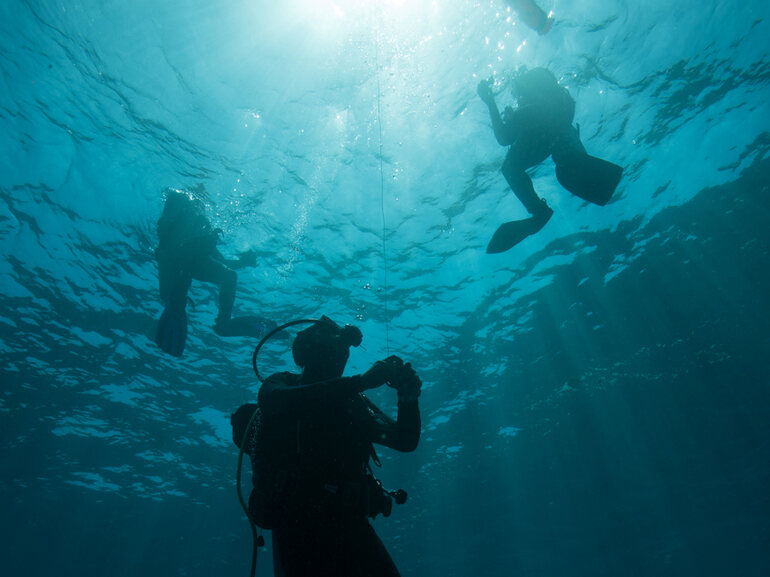
During your ascent, avoid initiating the ascent by inflating your BCD. Instead, begin ascending gradually by finning upwards gently whilst releasing small amounts of air from your BCD to control your ascent rate. Remember as you ascend, air expands in your BCD and neoprene wetsuit, so although it may seem counterintuitive, you need to release air from your BCD during your ascent rather than add more. You should ascend at a rate no faster than 18M per minute, approximately the speed of your smallest exhaled bubbles, or the rate specified by your dive computer.
Practising equalisation techniques can also help make equalising easier throughout your dive whilst allowing your body more time to adjust to pressure changes comfortably. Many beginner divers find that using a visual reference during ascents and descents helps maintain better control underwater. To help maintain a controlled ascent or descent, use a visual reference such as your dive computer, a mooring line or your dive guide, who will typically maintain a safe and controlled pace underwater.
Diving with a buddy is vital for your safety whilst exploring the underwater world, however losing your buddy is one of the common mistakes beginner divers make, although it can still happen to experienced divers too!
Buddy separation can occur for many different reasons, sometimes simply because you become distracted by the mesmerising marine life or underwater scenery around you, only to turn around moments later and realise your buddy is nowhere to be seen. It can also happen when you and your buddy are not fully clear on the same dive route or plan before entering the water.
Additionally, low visibility, strong currents, differences in air consumption, or different swimming paces can make it more challenging for buddy teams to stay together throughout the dive, making buddy awareness an important part of avoiding common mistakes beginner divers make underwater.
Increased Vulnerability – Without a buddy nearby, divers are at a higher risk during emergencies such as running out of air or experiencing equipment malfunctions, as there may be nobody close enough to provide assistance or share an alternate air source.
Increased Risk of Getting Lost – Especially in low visibility or unfamiliar dive sites, becoming separated from your buddy can make it much more difficult to navigate effectively underwater. You could potentially get lost or disorientated which could potentially lead stress, anxiety and / or panic.
Increased Risk of Accidents – Without a buddy nearby, there is no additional set of eyes to help identify potential hazards or respond quickly to emergencies underwater. This can increase the likelihood of accidents or lead to more severe consequences if a problem occurs.
Less Enjoyable Dive – Aside from the safety concerns, becoming separated from your buddy can quickly turn an enjoyable dive into a stressful experience, as your focus often shifts from enjoying the dive to trying to relocate one another underwater.
Communication and spatial awareness are key to maintaining good buddy contact underwater. Before entering the water, establish a clear dive plan with your buddy, including the route you will follow, the hand signals you will use and the agreed procedure for reuniting in the event of separation. Many mistakes beginner divers make underwater can be reduced simply through better communication and buddy awareness before and during the dive.
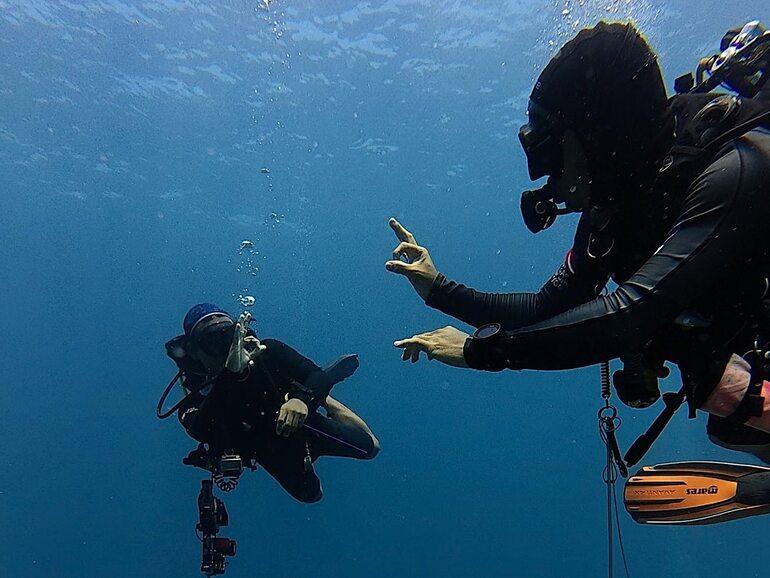
The buddy system is the responsibility of both divers, so make sure you maintain regular visual contact with your buddy throughout the dive and frequently check in using hand signals to communicate effectively underwater.
Practice staying close to your buddy, swimming at a comfortable pace together and avoiding unnecessary separation underwater. Additional equipment can also help in certain conditions. For example, using a dive torch can improve visibility between buddy teams, whilst in more challenging conditions, equipment such as a dive reel may help divers maintain contact more easily throughout the dive.
Becoming overexerted or panicked underwater is one of the more common mistakes beginner divers make, and it can happen for a variety of reasons. The excitement of exploring the underwater world can sometimes cause divers to swim too quickly or use more energy than necessary, especially when encountering rare or exciting marine life that they instinctively want to follow more closely.
Additionally, unfamiliar dive environments or misconceptions about certain marine life can sometimes create feelings of anxiety or unease underwater, which may gradually build into panic if not properly managed.
Other factors such as losing sight of your buddy, being out of practice, not properly following your training, struggling with buoyancy control simply the dynamic nature of diving and the unpredictability of the marine environment can also make it easy for divers to become overwhelmed and contribute to feelings of panic or overexertion underwater.
Increased Air Consumption – Panic or overexertion can lead to rapid breathing and significantly increased air consumption, potentially depleting your air supply faster than anticipated and shortening your dive time.
Feeling of Air Depletion – When divers become overexerted, they often begin breathing heavily and rapidly through their regulator. This can create the sensation that they are not receiving enough air, which may increase feelings of panic and / or contribute to a rapid, uncontrolled ascent.
Buoyancy Control Issues – Rapid movements caused by panic underwater can disrupt buoyancy control, potentially causing divers to ascend or descend uncontrollably and increasing the risk of barotrauma or injury.
Increased Risk of Injury – Panic induced movements can result in collisions with the reef, underwater obstacles or dangerous marine life, as well as entanglement in the environment and other accidents that may lead to injuries.
Increased Risks Associated with Rapid Ascent – Occasionally, a diver who is panicked or overexerted may feel the urge to ascend quickly to the surface because they believe it will make breathing easier or help them feel safer. However, ascending too quickly can increase the risk of decompression sickness and barotrauma injuries.
Loss of Focus and Good Judgement – Panicked or overexerted divers often struggle to think clearly and may enter a fight-or-flight response. This can impair decision-making, reduce awareness of surroundings and make it more difficult to respond effectively to stressful or emergency situations underwater.
Diving should feel relaxing and enjoyable, and be an opportunity for divers to immerse themselves into the underwater world in a meditative state. To help reduce stress and avoid mistakes beginner divers make underwater, prioritise thorough mental preparation before every dive, alongside relaxation and mindfulness techniques such as slow deep breathing and mental visualisation to help create a sense of calm and focus.
Maintain a steady pace underwater by using efficient finning techniques and controlled movements, which help conserve energy throughout the dive and reduce unnecessary overexertion. The PADI Peak Performance Buoyancy speciality course can help you improve buoyancy control, use less energy underwater and move more efficiently, which reduces fatigue and helps you feel more comfortable and confident throughout your dive.
Stay within the limits of your training and personal comfort level, and communicate regularly with your buddy throughout the dive, whilst remaining aware of your surroundings and changing dive conditions.
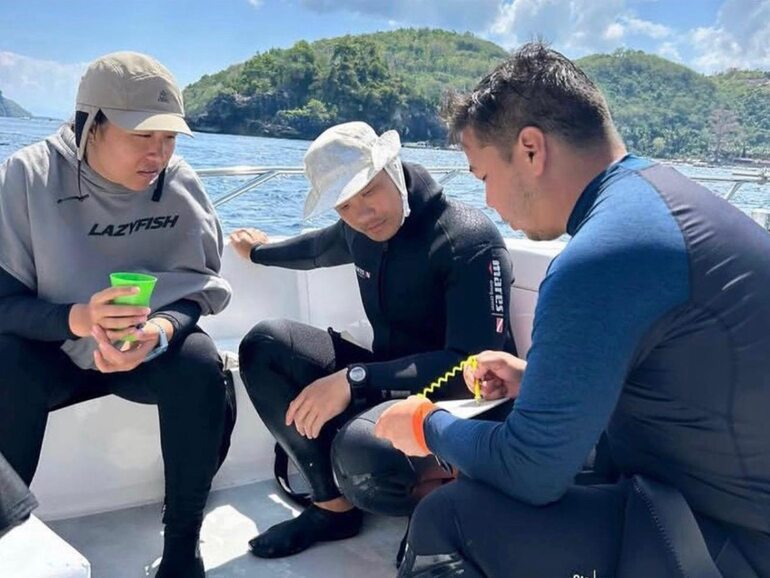
If you have any concerns before the dive, communicate them clearly to your guide or buddy so they are aware and able to support you if needed. It can also help to mentally rehearse how you would respond to potential challenges underwater, which can help you avoid some of the mistakes beginner divers make and feel more confident and prepared before entering the water.
If an unexpected or stressful situation occurs underwater, pause for a moment, focus on your breathing and assess the situation calmly before reacting. Following the procedures taught during your training and communicating with your buddy or guide underwater can help prevent small problems from escalating into panic.
Dive limits are put in place to help reduce the risks associated with diving. However, exceeding these limits is still one of the common mistakes beginner divers make underwater, particularly whilst they are still developing good diving habits and situational awareness.
Sometimes divers simply are not yet in the habit of checking their dive computer regularly enough to realise they are approaching or exceeding their limits underwater. In other cases, divers may underestimate how serious the risks associated with exceeding dive limits can be and intentionally ignore them due to curiosity, excitement or the temptation to follow marine life deeper underwater. (This can be quite common unfortunately during mola season)
Distractions, lack of awareness, unexpected down currents or spotting exciting marine life below their planned maximum depth can also unintentionally contribute to divers exceeding their limits during a dive.
Increased Risk of Decompression Sickness – Exceeding no-decompression limits, otherwise known as deco-diving, means you have a theoretical “unsafe” level of nitrogen absorbed that could form bubbles in your bloodstream or tissues (decompression sickness) if you were to do a normal ascent without completing necessary emergency decompression stops.
Increased Risk of Oxygen Toxicity – Extended exposure to deeper depths beyond planned dive limits can increase the partial pressure of oxygen in the body, potentially leading to symptoms such as seizures, convulsions or other neurological complications underwater.
Increased Risk of Nitrogen Narcosis – The deeper you dive, especially if it is past your depth limits, the more at risk you are of developing narcosis due to the increase of nitrogen pressure, potentially causing symptoms such as impaired judgement, coordination, cognitive function and decision making.
Increased Air Consumption – Increased pressure at depths that exceed your limits can cause faster air consumption which can shorten dive times significantly and may increase the risk of running low on air earlier than expected.
Increased Risk of Emergency Situations – Exceeding dive limits can increase the likelihood of unexpected situations underwater, especially for beginner divers who may not yet have the experience or training required to safely manage deeper or more complex dives.
Divers should prioritise thorough dive planning using their dive computers or dive tables to understand their planned limits for the dive and avoid some of the mistakes beginner divers make when managing depth and dive time.
If you have a dive computer, monitor it regularly and get into the habit of checking it every few minutes. If you don’t have a dive computer, consider hiring one or pay close attention to your guide throughout the dive and stay at or above their depth to help ensure you do not exceed your limits.
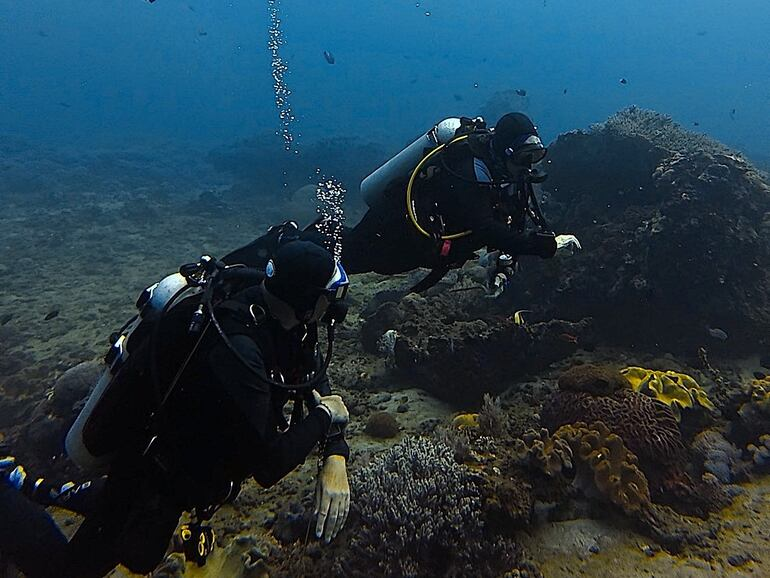
Maintain a conservative approach to depth, dive time and NDL, leaving a safety margin to account for unexpected circumstances or emergency situations.
Additionally, establish a clear communication system with your buddy so you can keep each other accountable for staying within your limits. Always remember that safety comes first, and resist the urge to dive deeper to get closer to certain marine life or simply to explore beyond your planned limits. Developing these habits early can help prevent some of the mistakes beginner divers make and build a strong foundation for safe, confident diving.
Want to keep improving your diving skills? Explore more of our blogs for more practical tips, advice and insights to help you build good habits and keep working towards safer, more relaxed and enjoyable dives.